



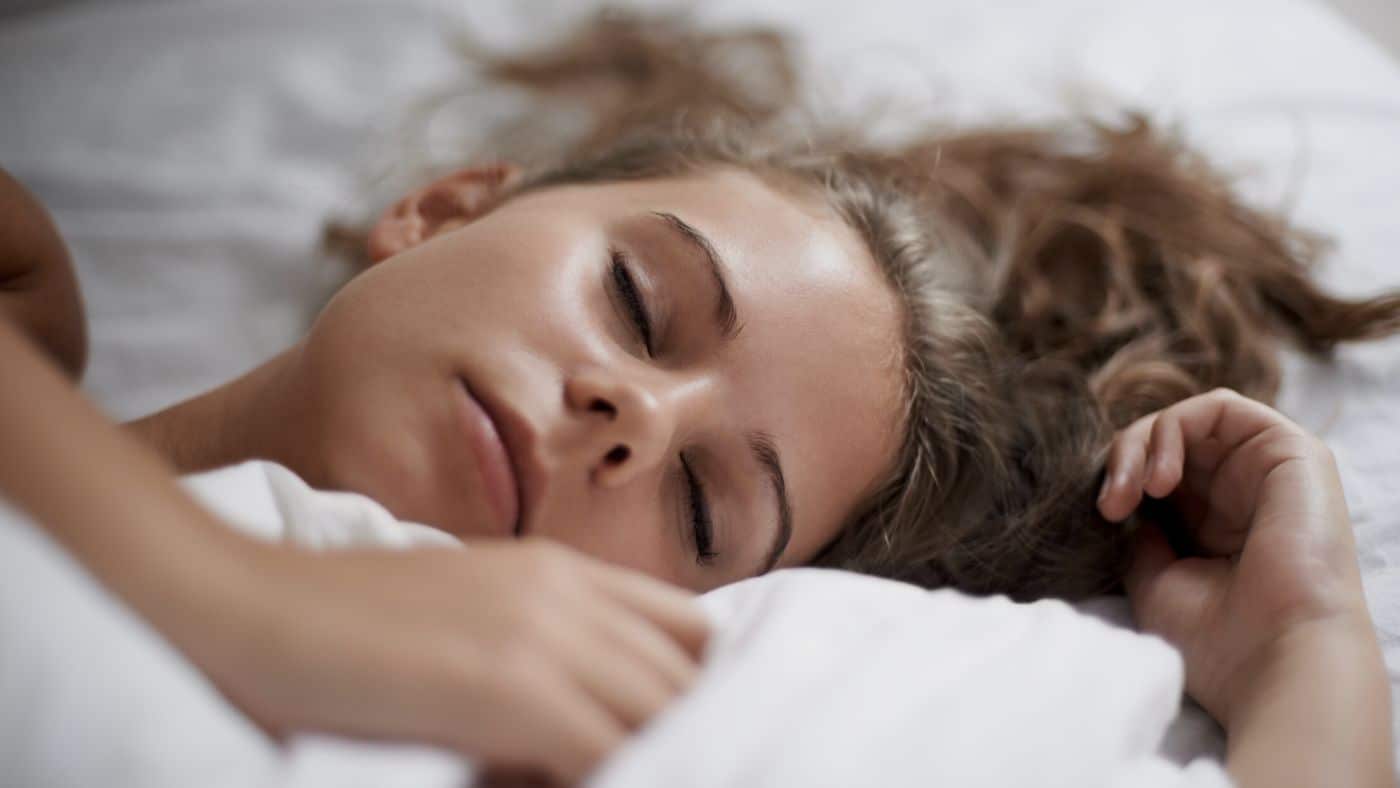
Sleep better with natural tips, evening rituals and gentle organic support
Why good sleep is so important for skin and regeneration
- Collagen production mainly takes place at night
- the skin is better supplied with blood and nutrients at night
- Oxidative stress is reduced during sleep
How sleep affects your performance
- Concentration
- Memory performance
- Learning ability
- Emotional stability
How sleep affects your mood
What happens in the body during sleep deprivation?
1. metabolism slows down
Too little sleep is considered one of the strongest risk factors for obesity. Thyroid function can also be impaired – blood circulation decreases and the skin and organs are less well supplied.
2. stress hormonesincrease
Cortisol and adrenaline remain elevated. This puts a strain on the immune system and digestion and can worsen skin problems such as rosacea, dermatitis or psoriasis.
3. inflammation increases
The absorption of endotoxins from the gut can increase – a factor that promotes inflammation throughout the body.
So it’s no wonder that many people under constant stress also sleep less well and develop digestive problems. You can find out how closely stress, gut and sleep are connected in our article👉 How stress affects your gut and sleep
Natural ways to wind down better in the evening
🌙 Tea for Good Nights – your evening ritual to switch off
-
Bestseller


Tea For Good Nights
Tea for Good Nights organic sleep tea with 14 eco pyramid tea bags19,90 €710,71 € / kg
Supplements that support you when it comes to sleep
🌿 Adapto Balance Fatigue Complex
- with Safr’Inside™ organic saffron extract, supports relaxation & emotional balance
- with KSM-66® organic ashwagandha, which helps you switch off
- supplemented with B vitamins for nerves and psyche
🌊 Calm A Lama Plant-Based Magnesium
- Natural magnesium from organic algae
- contributes to normal muscle and mental function
- Ideal for letting go physically and mentally in the evening
-


Set sleep and mood
Sleep and mood set from Adapto Balance and Calm A Lama for more serenity and good nights85,30 €94,80 €1.220,08 €1.097,81 € / kg
The best tips for better sleep
1. go to bed at the same time every day
Regularity is one of the most important factors for good sleep. The more consistent your rhythm, the better your body can regenerate.
2. sleep in one piece if possible
Fragmented sleep (“stutter sleep”) is significantly less restorative than several hours in a row. Naps are no substitute for a good night’s sleep.
3. avoid blue light in the evening
The light from smartphones, tablets and televisions inhibits melatonin production. Ideal: go screen-free at least one hour before going to sleep or wear blue light glasses.
4. don’t train too late
Sport is healthy – but intensive training after 8 p.m. can activate the body unnecessarily. Better: earlier in the evening or during the day.
5. reduce disturbing stimuli
Earplugs, a sleep mask or a darkened room can make a big difference – especially for light sleep.
6. write your to-do list on
Studies show: People who write down tasks for the next day fall asleep faster. Five minutes is enough to clear your mind.
Conclusion: Sleeping better is self-care
-
Set sleep and mood
Sleep and mood set from Adapto Balance and Calm A Lama for more serenity and good nights85,30 €94,80 €1.220,08 €1.097,81 € / kg -
Bestseller
Tea For Good Nights
Tea for Good Nights organic sleep tea with 14 eco pyramid tea bags19,90 €710,71 € / kg
Frequently asked questions about sleeping better
The nervous system is often still in active mode. Stress, brooding, screen light or irregular sleeping times can inhibit the release of melatonin (the sleep hormone). A permanently elevated cortisol level also makes it difficult to fall asleep – even if you are physically tired.
A regular sleep rhythm, a quiet evening routine and avoiding blue light are key factors. Relaxing rituals such as reading, breathing exercises or a warm herbal tea in the evening (e.g.Tea for Good Nights from Ogaenics) help the body to switch to rest mode – without any medication.
Natural support can be provided by, among other things
- Soothing evening rituals
- herbal adaptogens such as ashwagandha
- Magnesium to relax the muscles
- Herbal teas with traditionally used plants
should be carried out. Regular use as part of a fixed routine is important.
Yes, a herbal tea in the evening can be an effective signal for relaxation. As a warm ritual, it helps to consciously end the day and mentally prepare for sleep – especially if it is caffeine-free and drunk before going to bed (e.g. Tea for Good Nights from Ogaenics).
Ideally about 30 to 60 minutes before going to bed. This leaves enough time to get some rest without disturbing your sleep by going to the toilet at night.
Skin cells and the nervous system regenerate during sleep. A lack of sleep can reduce collagen formation, increase oxidative stress and impair emotional stability. This is why sleep deficits often show up first in the skin, mood and energy levels.
Most adults need 7-9 hours of sleep per night to fully recover physically and mentally. It is not only the duration but also the quality and regularity of sleep that is crucial.
Yes, stress is one of the most common causes of sleep problems. A permanently active stress system keeps the body in wakefulness mode. Relaxing evening routines and conscious transitions from day to night can help to break this cycle.
In the long term, a fixed evening routine is much more sustainable. It helps the body to recognize reliable signals for relaxation – without habituation effects or dependencies.
Scientific sources
- Medic, Goran et al. “Short- and long-term health consequences of sleep disruption.” Nature and science of sleep vol. 9 151-161. 19 May. 2017, doi:10.2147/NSS.S134864
- Besedovsky, Luciana et al. “Sleep and immune function.” Pflugers Archiv : European journal of physiology vol. 463,1 (2012): 121-37. doi:10.1007/s00424-011-1044-0
- Oyetakin-White, P., Suggs, A., Koo, B. et al. (2015) “Does poor sleep quality affect skin ageing?” Clinical and Experimental Dermatology, 40(1), pp. 17-22.
- Christian Cajochen, Sylvia Frey et al. “Evening exposure to a light-emitting diodes (LED)-backlit computer screen affects circadian physiology and cognitive performance” Journal of Applied Physiology 2011 110:5, 1432-1438
- Irwin, Michael R. “Why sleep is important for health: a psychoneuroimmunology perspective.” Annual review of psychology vol. 66 (2015): 143-72. doi:10.1146/annurev-psych-010213-115205
- Abbasi, Behnood et al. “The effect of magnesium supplementation on primary insomnia in elderly: A double-blind placebo-controlled clinical trial.” Journal of research in medical sciences : the official journal of Isfahan University of Medical Sciences vol. 17,12 (2012): 1161-9.



 No products in the cart.